
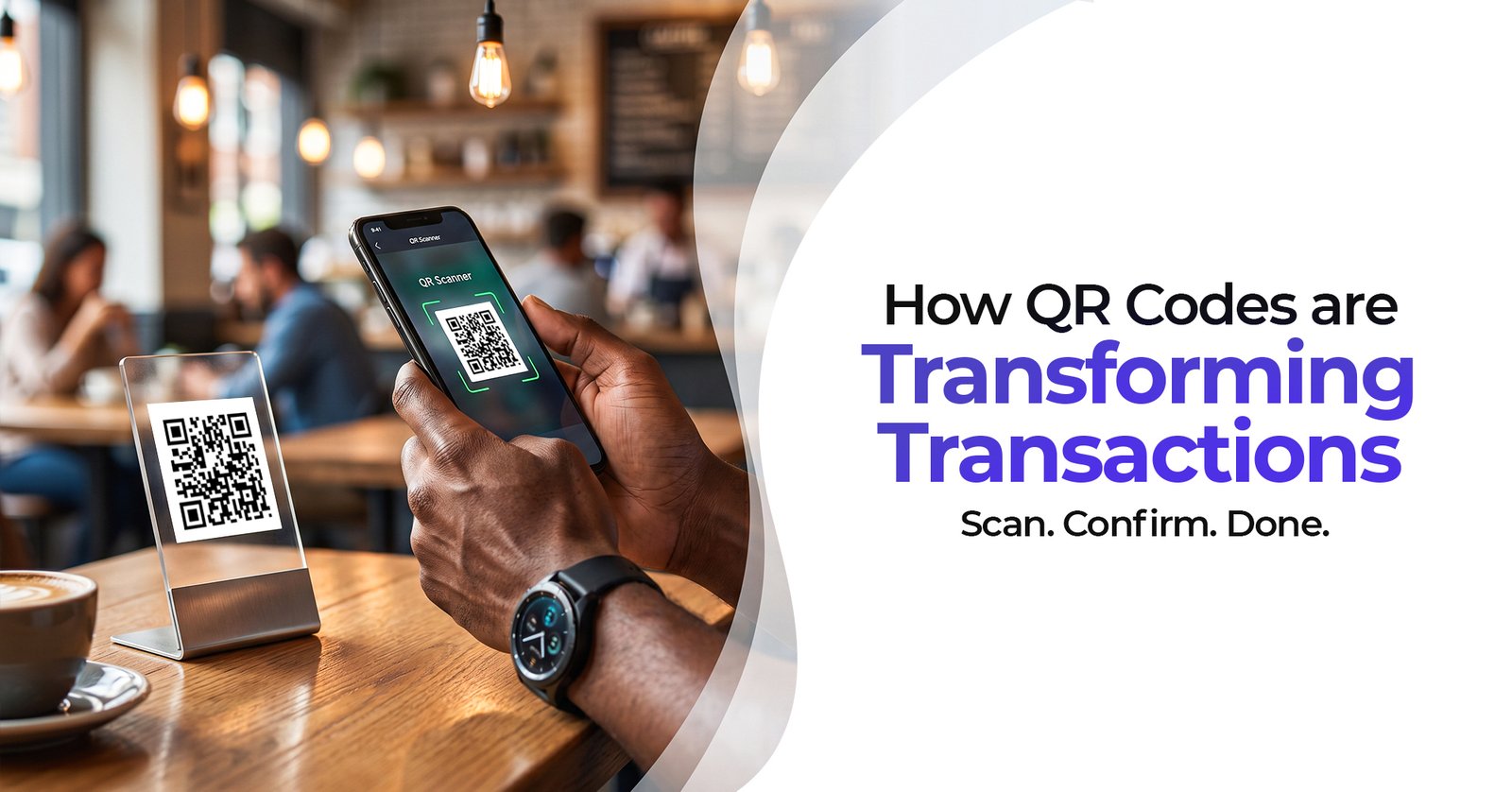
You’re at a café. Bill comes: ₹500. You scan the QR code, enter your UPI PIN, and payment is successful. Easy.
But in that tiny moment, your phone did far more than just “scan a code.”
That QR code instantly shared payment information, like the merchant’s UPI ID, business details, and transaction request. Your payment app decoded it in milliseconds, checked if everything looked valid, and asked your bank for authorization.
The moment you entered your PIN, secure banking systems kicked in. Your bank checked if you had enough balance, verified your identity, and communicated with the merchant’s bank through the payment network, all almost instantly.
Within fractions of a second, the transaction was authenticated, approved, and assigned a unique transaction ID before that satisfying green “Payment Successful” appeared on your screen.
What feels like a simple scan is actually a lightning-fast digital conversation between your phone, payment provider, banks, and secure networks.
And that’s exactly why QR code payments feel like magic.
How QR Code Payment Works
The QR code payment process is designed to make digital payments fast, secure, and effortless. Instead of manually entering bank account details or payment IDs, users simply scan a QR code and authorize the payment.
In India, this process is commonly powered by the UPI payment system. UPI QR code payment technology allows banks and payment apps to communicate instantly through secure payment infrastructure.
Here’s a simplified breakdown of the scan and pay process:
- The merchant displays a QR code.
- The customer scans the QR code using a UPI app.
- The app reads payment details stored inside the code.
- The customer enters the payment amount if needed.
- The customer authorizes the payment using a UPI PIN.
- The bank verifies balance and identity.
- The payment network processes the transaction securely.
- The merchant receives confirmation instantly.
This entire QR code transaction process usually takes less than a second.
Why QR Code Payments Feel Instant
QR code payments eliminate unnecessary friction. No need to:
- Type bank details
- Enter account numbers
- Manually verify payment IDs
- Risk typing mistakes
Everything is automated. That’s why scan-and-pay systems have become so popular. Fast payments create better customer experiences for both customers and businesses.
Secure QR payments also reduce human error and simplify transactions for merchants. Whether it’s a small tea stall or a large retail chain, QR payment technology helps businesses accept payments quickly and efficiently.
UPI QR Code Payment Explained
The UPI payment system explained in simple words: it acts like a bridge between banks and payment apps.
When someone scans a merchant QR payment code, the payment request travels through multiple secure systems:
- Customer’s payment app
- Customer’s bank
- UPI payment network
- Merchant’s bank
All these systems communicate in real time to authenticate and complete the transaction securely.
This is why UPI QR code payment systems in India feel almost instantaneous.
QR Codes Are More Than Just Payments
Today, QR codes are used far beyond digital payments.
Businesses use QR codes to:
- Drive website traffic
- Share contact details
- Enable instant WiFi access
- Open restaurant menus
- Download mobile apps
- Collect customer feedback
- Verify product authenticity
- Share social media profiles
For businesses, QR codes are no longer just black-and-white squares. They are tiny gateways that connect customers to instant actions.
The Future of QR Payment Technology
The adoption of QR code payment technology continues to grow rapidly because people prefer fast and contactless experiences.
From local stores to global brands, businesses are using QR payments to simplify checkout experiences and improve customer convenience.
As digital payment systems become smarter and faster, QR code payments will continue to play a major role in the future of commerce.
A tiny square. Massive possibilities.